

Wellness · September 22, 2026
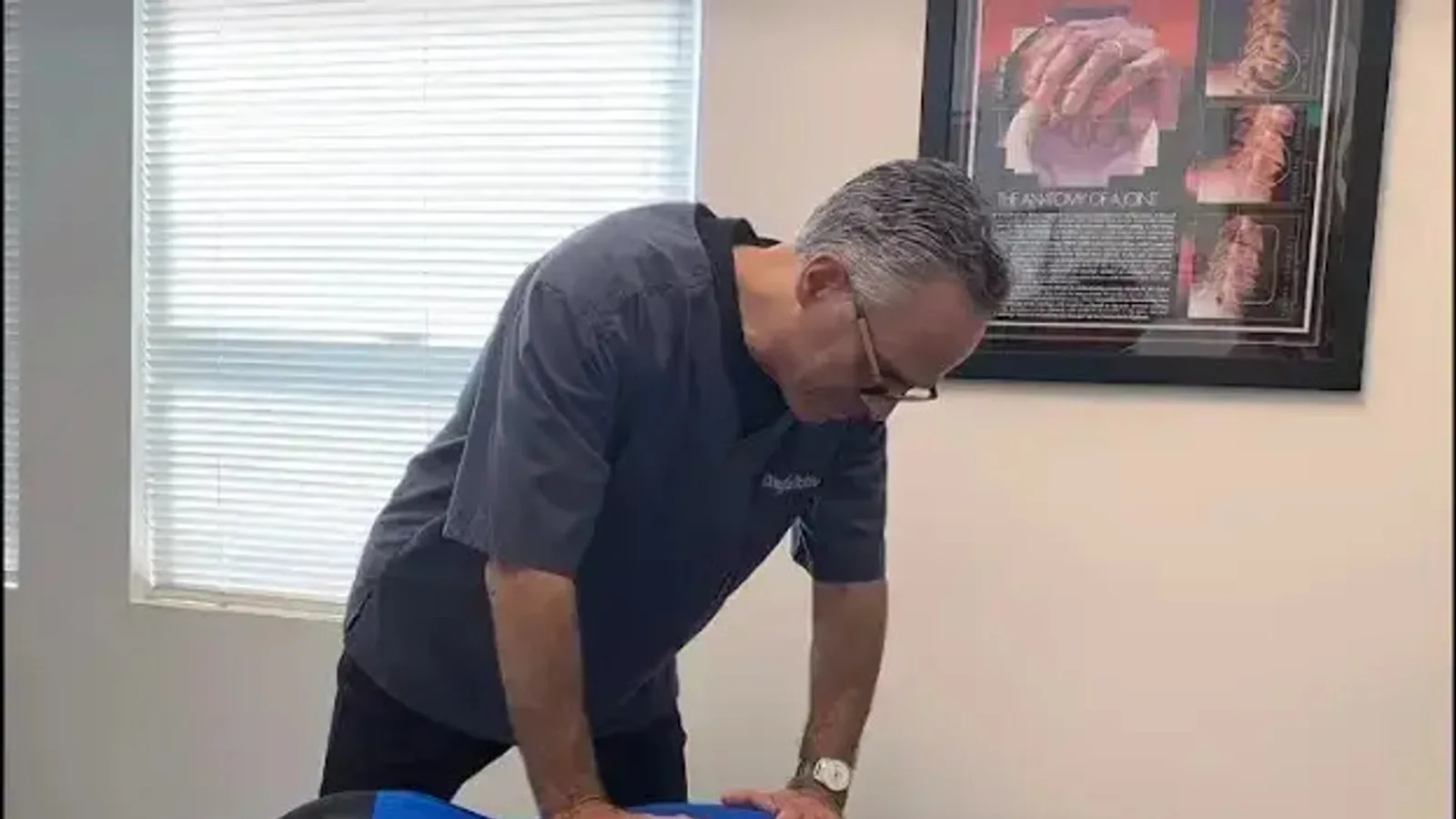
Back pain is one of the most common reasons people miss work, avoid activities they love, and lie awake at night wondering what's wrong. If you've been dealing with it, you're far from alone. Here in Novato, CA, many of our patients at DeSalvo Chiropractic come through the door frustrated, tired of relying on pain medications, and genuinely curious about whether chiropractic care could actually help. The good news is that decades of research and real-world clinical experience support chiropractic as a safe, effective, and drug-free approach to managing back pain — for the right candidates, addressed the right way.
This article is meant to walk you through the facts honestly and clearly, so you can feel confident making decisions about your own health. We'll cover what back pain really is, how chiropractic care works, what the research says, and when it makes sense to seek out a chiropractor near you.
Is chiropractic care safe and effective for back pain?
For most people with common musculoskeletal back pain, yes — chiropractic care is considered a safe and evidence-supported option. Organizations like the American College of Physicians and the National Institutes of Health recognize spinal manipulation and chiropractic care among recommended non-drug approaches for back pain. It is non-invasive, does not involve pharmaceuticals, and is tailored to the individual patient.
What Is Back Pain, Really?
Back pain isn't just one thing. It's an umbrella term that covers a wide range of symptoms — from a dull ache in the lower back after sitting at a desk all day, to sharp, shooting pain that radiates down the leg. Understanding the type of back pain you're dealing with is an important first step, because it shapes what kind of care is most appropriate.
The most common form is nonspecific low back pain, which means the pain doesn't have a clearly identified structural cause like a fracture or tumor. It often stems from muscle strain, ligament stress, joint dysfunction, or poor spinal mechanics that have built up over time. This is also the category of back pain where chiropractic care tends to be most helpful.
Other causes of back pain include herniated discs, degenerative disc disease, spinal stenosis, sacroiliac joint dysfunction, and postural imbalances. Each of these presents differently and requires a proper evaluation before any treatment begins. That's why a thorough assessment — like the ones Dr. Douglas DeSalvo performs at DeSalvo Chiropractic in Novato — is such an important part of responsible care.
Back pain is also classified by duration. Acute back pain lasts less than four weeks. Subacute falls between four and twelve weeks. Anything beyond twelve weeks is considered chronic. Chiropractic care has been studied across all three categories, and the evidence is particularly strong for acute and subacute presentations.
How Chiropractic Care Works for Back Pain
Chiropractic care centers on the relationship between the spine, the nervous system, and overall musculoskeletal function. When the joints of the spine become restricted, misaligned, or move poorly — what chiropractors call vertebral subluxations or joint dysfunctions — they can cause pain, stiffness, and even affect how the surrounding muscles and nerves work.
The primary tool chiropractors use is spinal manipulation, also called a chiropractic adjustment. This involves applying a controlled, precise force to a specific spinal joint to restore its normal range of motion. The goal is to reduce joint restriction, relieve pressure on nearby nerves, decrease muscle tension, and improve the overall mechanics of the spine.
Beyond adjustments, chiropractors often incorporate complementary techniques depending on the patient's needs. These may include soft tissue therapies, therapeutic exercises, postural retraining, and ergonomic guidance. At DeSalvo Chiropractic, Dr. Douglas DeSalvo takes an individualized approach — meaning your care plan is built around your specific history, exam findings, and goals, not a one-size-fits-all protocol.
It's also worth understanding that chiropractic works with your body rather than masking symptoms. Pain medication can provide short-term relief but doesn't address the underlying mechanical dysfunction. Chiropractic care aims to correct the source of the problem, which is why many patients experience lasting improvements rather than just temporary relief.
What the Research Says
One of the most common questions people ask before trying chiropractic care is a fair one: "Is there actual evidence behind this?" The honest answer is yes — and it continues to grow.
The American College of Physicians (ACP) updated its clinical guidelines to recommend spinal manipulation as a first-line, non-drug treatment for both acute and chronic low back pain. The National Center for Complementary and Integrative Health (NCCIH), a division of the NIH, recognizes spinal manipulation as a helpful option for low back pain management. These aren't fringe organizations — they're among the most trusted voices in conventional medicine.
The Cochrane Library, which publishes some of the most rigorous systematic reviews in healthcare, has found that spinal manipulative therapy provides improvements in pain and function comparable to other recommended treatments for low back pain. Research published in the Spine Journal has similarly shown meaningful outcomes for patients receiving chiropractic care for both acute and chronic back pain presentations.
As for safety, research suggests that serious adverse events following chiropractic care for low back pain are rare. The most commonly reported side effects are mild and temporary — things like minor soreness at the site of adjustment, which typically resolves within a day or two. This makes chiropractic one of the safer manual treatment options available, especially when compared to the known risks associated with long-term use of certain pain medications or surgical intervention.
It's important to be clear: chiropractic care does not cure every form of back pain, and evidence is more robust for some conditions than others. A responsible chiropractor will always be honest about what's likely to respond well to care and when a referral to another provider is the better path forward.
Chiropractic Care at DeSalvo Chiropractic
At DeSalvo Chiropractic in Novato, CA, the approach to back pain starts with listening. Dr. Douglas DeSalvo understands that no two cases of back pain are exactly the same. What worked for your neighbor may not be the right approach for you — and that's okay. That's exactly why the first step is always a thorough evaluation.
During an initial visit, Dr. Douglas DeSalvo will review your health history, discuss the nature and timeline of your symptoms, and perform a comprehensive physical and orthopedic examination. Depending on your case, imaging such as X-rays may be recommended to get a clearer picture of your spinal structure. From there, a care plan is developed that is specific to your needs and goals.
Patients in the Novato community have come to appreciate the careful, hands-on, and patient-centered style that defines DeSalvo Chiropractic. Whether you're dealing with a recent flare-up, a long-standing ache, or a work-related injury, the goal is always the same: help you move better, feel better, and stay better — without unnecessary procedures or medications.
Dr. Douglas DeSalvo also emphasizes education as part of the healing process. Understanding why your back hurts and what contributes to it empowers you to make better decisions day to day — whether that's adjusting your workstation setup, modifying how you lift, or building habits that support a healthier spine for the long term.
Practical Tips for Managing Back Pain at Home
While professional chiropractic care is important for addressing the root cause of back pain, there are also meaningful steps you can take at home to support your recovery and reduce flare-ups. These aren't cures on their own, but they work well alongside a care plan.
Stay gently active. Bed rest was once widely recommended for back pain, but current evidence strongly discourages prolonged rest. Gentle movement — walking, light stretching, and staying out of sustained static postures — keeps the joints and muscles from stiffening up further.
Pay attention to your workstation. Many patients in Novato spend long hours at desks or computers. Poor ergonomics is a leading contributor to back pain. Make sure your screen is at eye level, your chair supports the natural curve of your lower back, and your feet are flat on the floor. Taking a short break every 30–45 minutes to stand and move makes a bigger difference than most people realize.
Be mindful of how you lift. Bending at the waist to pick up objects — even relatively light ones — places significant stress on the lumbar discs and muscles. Bending at the hips and knees, keeping the load close to your body, and avoiding twisting while lifting are habits worth building.
Sleep position matters. Sleeping on your stomach tends to strain the lower back and neck. Side sleeping with a pillow between the knees, or back sleeping with a pillow under the knees, can reduce overnight stress on the spine.
When to See a Chiropractor
Many people wait too long before seeking care for back pain, hoping it will simply go away on its own. While some mild episodes do resolve with rest and movement, others linger and worsen over time. In general, if back pain has lasted more than a few days, is interfering with your daily activities, or keeps coming back, it's worth getting evaluated by a chiropractor.
Chiropractic care is often especially appropriate when back pain is accompanied by stiffness, restricted movement, or muscle tightness. It's also a reasonable first step for people who want to avoid medications or are looking for a conservative approach before considering anything more invasive.
However, there are red flag symptoms that call for prompt medical evaluation rather than chiropractic care first. These include back pain accompanied by fever, unexplained weight loss, bowel or bladder changes, significant leg weakness or numbness, or pain following a serious trauma. Dr. Douglas DeSalvo is trained to recognize these warning signs and will refer patients to appropriate medical care when needed. Safety and appropriate triage are always the priority at DeSalvo Chiropractic.
Comparing Treatment Approaches for Back Pain
Approach | Invasive? | Drug-Free? | Addresses Root Cause? | Common Use Case |
|---|---|---|---|---|
Chiropractic Care | No | Yes | Yes (joint/muscle dysfunction) | Acute, subacute, and chronic back pain |
Over-the-Counter Pain Medication | No | No | No (symptom management) | Short-term pain relief |
Physical Therapy | No | Yes | Partially (strength/mobility focused) | Rehabilitation, chronic pain, post-surgical |
Prescription Medications | No | No | No (symptom management) | Moderate to severe pain, short-term |
Spinal Surgery | Yes | Yes (procedure) | Yes (structural correction) | Severe structural pathology, last resort |
Myths vs. Facts About Chiropractic and Back Pain
Myth: Chiropractic adjustments are dangerous.
Fact: Research consistently shows that chiropractic adjustments for back pain carry a low risk of serious adverse events. Mild, temporary soreness after an adjustment is the most commonly reported reaction. When performed by a licensed, trained chiropractor following a proper patient evaluation, spinal manipulation is considered a safe treatment option for most adults.
Myth: Once you start chiropractic care, you have to go forever.
Fact: There is no requirement to continue chiropractic care indefinitely. Some patients come in for a short course of care to address a specific episode of back pain and then stop. Others choose periodic maintenance visits to support long-term spinal health, but that is always a personal choice — never a forced commitment. Dr. Douglas DeSalvo discusses care expectations with every patient upfront.
Myth: Chiropractic only helps if your back "cracks."
Fact: The audible pop sometimes heard during an adjustment is simply the release of gas from within the joint fluid — it's harmless and not a measure of whether the adjustment was effective. Many beneficial adjustments are performed with low-force techniques that produce no sound at all. The outcome depends on the mechanics of the adjustment, not the noise.
Myth: Chiropractic care is just for back pain.
Fact: While back pain is the most common reason people visit a chiropractor, chiropractic care addresses the entire musculoskeletal system. Neck pain, headaches, shoulder dysfunction, hip and knee complaints, and general postural issues are among the many conditions that chiropractors evaluate and manage regularly.
Myth: If imaging doesn't show anything, your pain isn't real.
Fact: Nonspecific low back pain — which makes up the vast majority of back pain cases — often shows no significant findings on X-rays or MRI. This doesn't mean the pain isn't real or isn't worth treating. It simply means the source is functional rather than structural, which is precisely where chiropractic care excels.
Final Thoughts
Back pain can be genuinely disruptive — to your work, your family life, your sleep, and your sense of wellbeing. It's easy to feel like you're stuck with it, especially if previous treatments haven't brought lasting relief. But there are good reasons to feel hopeful. Chiropractic care has a well-established track record as a safe, non-invasive, and drug-free approach to back pain that is backed by major medical organizations and decades of clinical experience.
Here in Novato, CA, DeSalvo Chiropractic is proud to serve this community with honest, patient-centered care. Dr. Douglas DeSalvo is committed to helping each person who walks through the door understand what's going on with their body and what their best options are — without pressure, without hype, and without unnecessary procedures. Whether you're dealing with back pain for the first time or have been managing it for years, a thorough evaluation is always the right place to start.
If you've been searching for a chiropractor near Novato or simply want to learn more about whether chiropractic care might be right for you, we'd be glad to help. Your back health is worth taking seriously — and you don't have to navigate it alone.
Frequently Asked Questions
How many chiropractic visits does it take to feel better for back pain?
This varies depending on the type, severity, and duration of your back pain. Some patients notice improvement within a few visits, while others with chronic or complex conditions may require a longer course of care. Dr. Douglas DeSalvo will give you a realistic expectation based on your individual examination findings.
Is chiropractic care appropriate for older adults with back pain?
Yes, chiropractic care can be appropriate for many older adults. Treatment is always adjusted to the patient's age, bone density, health history, and comfort. Gentle, low-force techniques are available for those who may not be suited for more traditional high-velocity adjustments.
Can a chiropractor help with a herniated disc?
Chiropractic care may be helpful for back pain associated with certain herniated disc presentations, particularly when conservative management is appropriate. However, not every disc condition is suited for spinal manipulation, which is why a thorough evaluation is essential before any treatment begins.
What is the difference between a chiropractor and a physical therapist for back pain?
Both can be valuable for back pain, but their approaches differ. Chiropractors focus primarily on spinal joint function, nervous system relationships, and manual adjustments. Physical therapists typically emphasize therapeutic exercise, strength, and movement rehabilitation. In some cases, both disciplines work well together as part of a comprehensive care plan.
Is it okay to see a chiropractor if I've had back surgery?
It depends on the type and timing of the surgery. Many post-surgical patients can benefit from chiropractic care that avoids the operated area and focuses on supporting overall spinal function. Always inform your chiropractor of your surgical history so care can be modified appropriately.
Does chiropractic care help with sciatica-related back pain?
Sciatica — pain that radiates along the sciatic nerve from the lower back down the leg — is a common complaint that chiropractors evaluate regularly. Research suggests spinal manipulation may help reduce sciatic pain in appropriate cases. A proper assessment is needed to determine whether chiropractic care is the right fit for your specific situation.
TL;DR — Key Takeaways
Chiropractic care is recognized by major medical organizations as a safe, effective, non-drug option for most types of common back pain.
Spinal manipulation works by restoring joint motion, reducing nerve irritation, and improving spinal mechanics — addressing the root cause rather than just the symptoms.
Mild temporary soreness is the most common side effect; serious adverse events are rare when care is delivered by a licensed chiropractor following a proper evaluation.
Not all back pain is the same — a thorough examination by Dr. Douglas DeSalvo at DeSalvo Chiropractic in Novato, CA is the best way to determine if chiropractic care is right for you.
Practical habits like staying gently active, improving ergonomics, and lifting correctly can support your recovery and reduce future flare-ups.